


There is a particular kind of person who will buy the device, download the app, and book the protocol before they have slept seven hours in a row this month. The advanced moves are appealing because they feel like progress. The basics are unappealing because we have heard them before. And yet the basics are where almost all of the difference actually lives.
Before anything else, before any plan or product, it is worth running a quiet audit of six ordinary inputs. None of them is new. All of them are powerful, mostly because so few people actually tend to them. Read them not as instructions but as questions. Where, honestly, is the slack.
One. Sleep
This is the foundation, and almost nothing else works well without it. Not just hours, but consistency: roughly the same bedtime and wake time, a dark cool room, a real wind-down. Most people do not have a sleep problem so much as a sleep priority problem. The audit question: are you protecting sleep the way you protect a morning meeting, or is it the thing that gets cut when the day runs long.
Two. Light
The cheapest, most overlooked lever there is. Bright light in your eyes early in the day, dim warm light in the evening. That single contrast helps set the internal clock that governs your energy and your sleep. The audit question: do you get real light in the morning, ideally outdoors, or does your day begin and end mostly under the same artificial glow.
The advanced moves photograph well. The basics do the work. Almost everyone is underinvested in exactly the things they already know.
Three. Movement
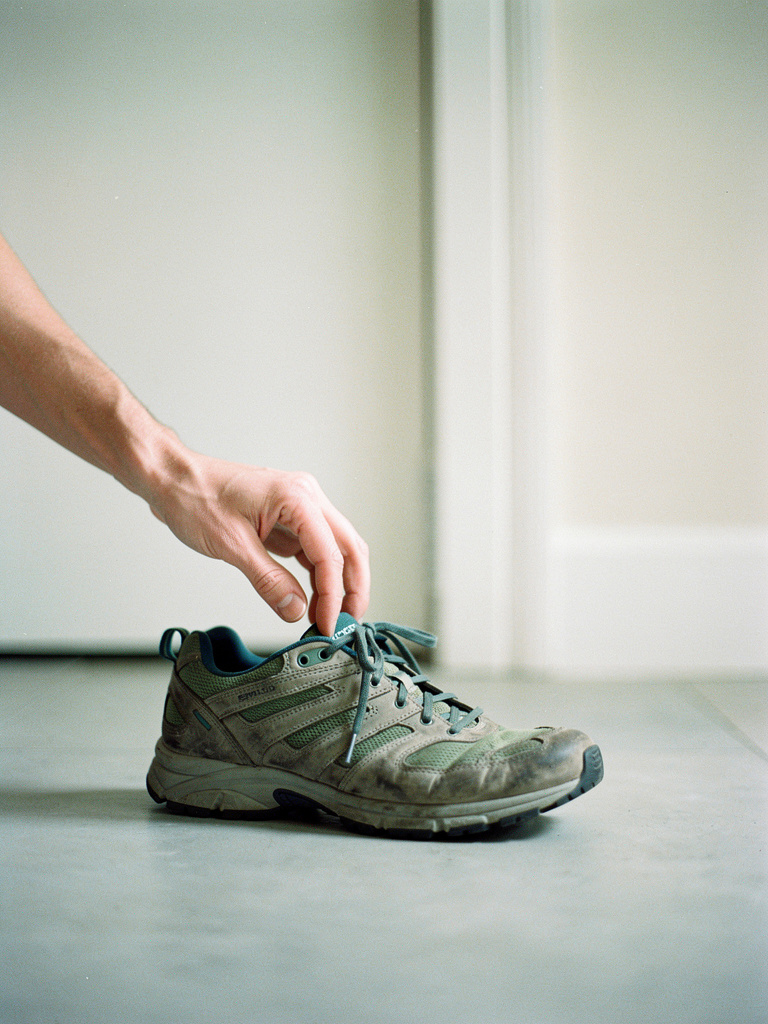
Not training, movement. The background activity of a body that is used rather than parked. A daily walk, taking the stairs, getting up often, plus whatever real exercise you enjoy on top of that. Strength matters here too, and it matters more the older you get, because keeping your strength is one of the clearest ways to keep your independence and your ease in your own body over time. The audit question: across a normal day, are you mostly still, or mostly in motion.
Four. Food
Set aside the diet wars. At the level of basics, the questions are simple. Are you eating enough real, mostly unprocessed food. Are you getting enough protein to hold your strength. Are you eating in a rhythm that gives you steady energy rather than a series of spikes and crashes. This is about how food makes you feel and function across a day, not about a number on a scale. The audit question: does the way you eat leave you steady and strong, or scattered and depleted.
Five. Stress and recovery
Stress is not the enemy. Unrelieved stress is. The body is built to handle load as long as it gets to come back down afterward, and the modern problem is that the coming-down part rarely happens. The audit question: does your day have any real off switch, any moment your nervous system is genuinely allowed to stand down, or does it run at a low hum from waking to sleep.
Six. Connection
The least clinical input on the list and one of the most powerful for how you actually feel. Time with people you care about is not a luxury layered on top of health. It is part of it. The audit question: are the relationships that matter to you getting real time and attention, or are they running on the leftovers.
What to do with the audit
Run those six questions honestly and you will usually find one or two that are quietly carrying the others. That is where to start. Not with the device, not with the protocol, with the input that is clearly slack. The basics are unglamorous precisely because everyone already knows them. Knowing them was never the issue. Tending them is. Start there, and the more advanced work, when you get to it, lands on a foundation that can actually hold it.