


Sleep Debt, and Whether You Can Catch Up
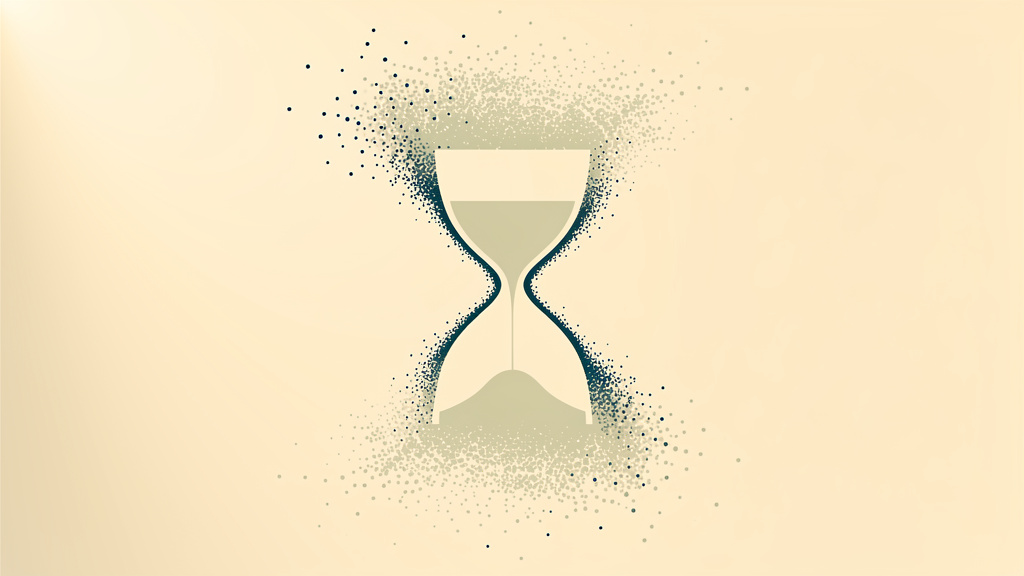
Miss an hour or two a night and the shortfall carries forward as sleep debt. A calm look at what it is, whether a weekend of sleeping in can undo it, and what social jetlag quietly adds.
Read →Writing from the practice
Field notes on feeling like yourself again. Essays, rituals, and plain-English explainers on energy, sleep, recovery, hormones, and the long game, written to be read, not to sell you something.
Most of us were handed a definition of healthy that only means not currently sick. There is a great deal of life waiting on the other side of that word.
Read the essay →
Miss an hour or two a night and the shortfall carries forward as sleep debt. A calm look at what it is, whether a weekend of sleeping in can undo it, and what social jetlag quietly adds.
Read →
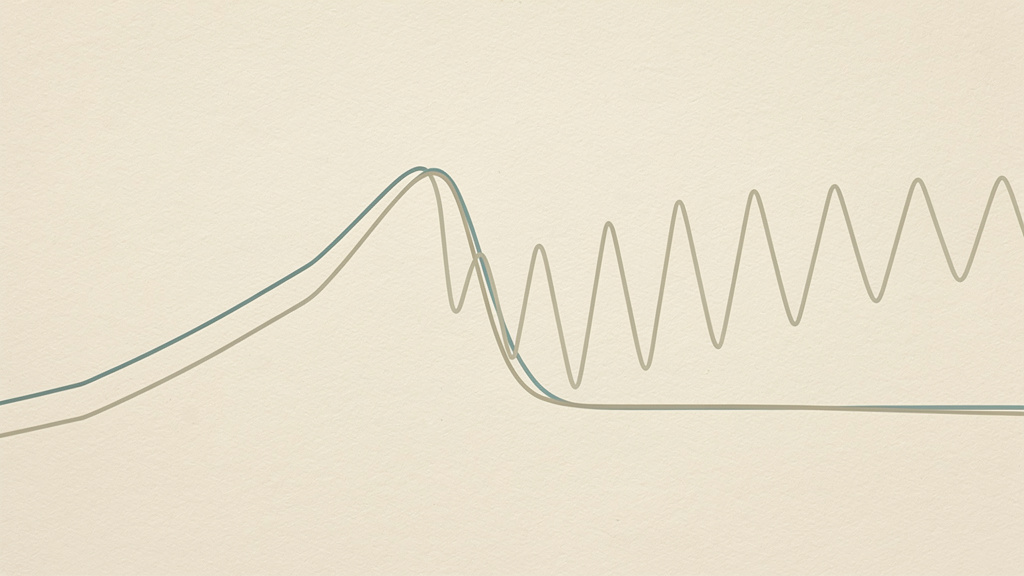
A cold plunge changes your physiology within seconds, which is exactly why it is so easy to oversell. Here is what cold exposure does to the body, what the research supports, and the honest catch about timing.
Read →

NEAT, or non-exercise activity thermogenesis, is the movement you never log: walking, standing, chores, fidgeting. It can swing your daily energy by hundreds of calories, often more than the workout you schedule.
Read →
Creatine is among the most-studied compounds in nutrition science, yet most people know it only as a gym powder. It is an energy buffer the body stores in muscle and brain, and the evidence is calmer than the noise.
Read →
A quick squeeze on a dynamometer looks like a test of the hand, yet grip strength tracks the strength of the whole body and predicts healthspan more cheaply than almost any other number we have.
Read →
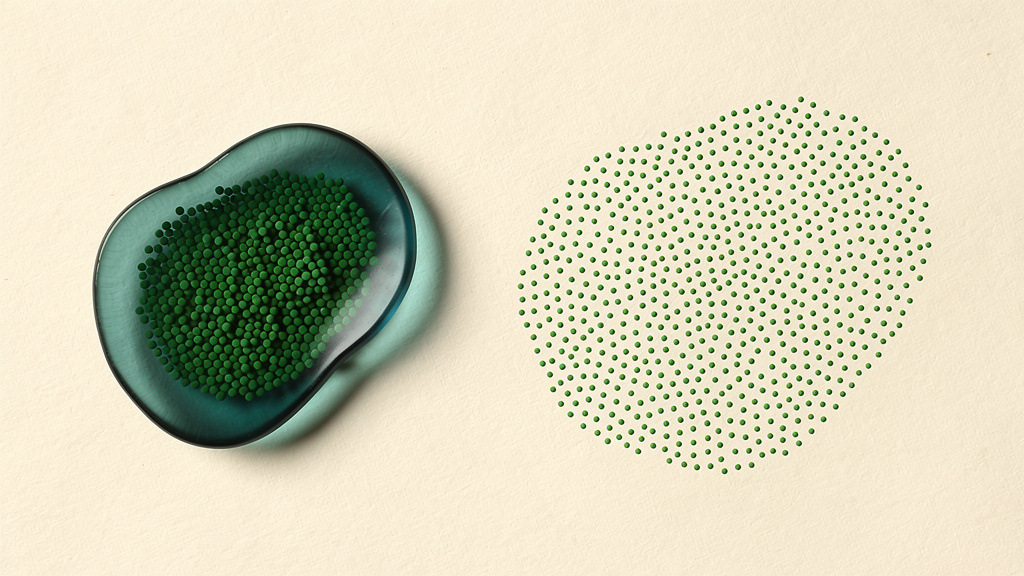
A drink before bed sedates you to sleep faster, but alcohol suppresses REM sleep, front-loads then fragments the night as it clears, and leaves you feeling unrested even after a full eight hours in bed.
Read →

Lp(a), or lipoprotein(a), is a cholesterol particle you inherit rather than earn, set largely by one gene, held steady for life, and usually left off a standard lipid panel that a physician has to order on purpose.
Read →

Step outside in the morning and something invisible happens. The light reaches a set of cells that have nothing to do with seeing, and they set the clock the rest of the body runs on. A calm look at light as the body's master timing signal, and how the modern indoor day quietly turns it around.
Read →
You can eat the same meal at 8 a.m. or 8 p.m., and the body reads it differently. A calm look at circadian metabolism, what time-restricted eating can and cannot do, and why the honest answer is earlier and consistent.
Read →

The number on your panel behaves less like a vitamin and more like a hormone your skin makes from light. A calm look at what 25-hydroxyvitamin D measures, why experts keep moving the line, and how to read your level without chasing it.
Read →

Most panels never print it, yet ferritin is the gauge on your iron reserve, the store that empties first and quietly. A calm look at the marker whose normal floor marks the bottom of a population, not the point where the body has enough.
Read →

For thousands of years the sauna was pure comfort. The newer reading is quieter: a brief, controlled heat stress the body recovers from stronger, the same hormetic logic as exercise, carrying a dose-dependent association with a longer life.
Read →

Your body keeps no fixed set point; it adjusts constantly to meet demand. That is brilliant in the short term and costly when it never switches off. This is the running tab of chronic stress, the wear that gathers while every single lab still reads normal.
Read →

Eight glasses a day sounds like settled science, but no study ever established it, and the honest answer is smaller and more personal. Hydration matters; the fixed magic number does not. Here is what the evidence supports, and why your thirst usually knows better.
Read →

The recommended amount of protein, 0.8 g per kilogram, marks the edge of deficiency: the least you can eat without losing ground. It is a floor, not a goal, and read as a target it quietly under-serves anyone hoping to build or hold muscle and age well.
Read →
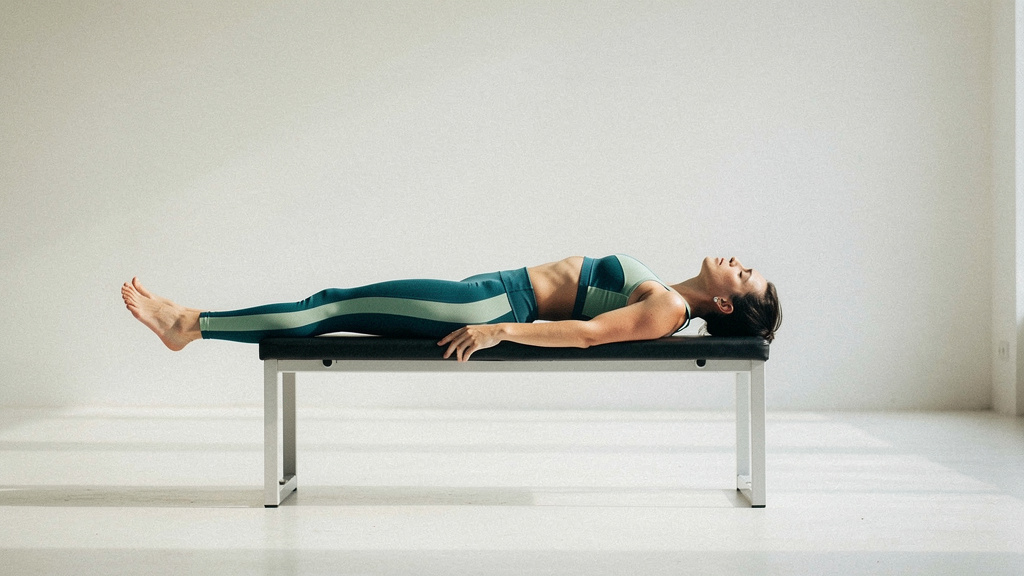
The textbook normal resting heart rate spans 60 to 100 beats a minute, a band drawn to catch the clearly unwell, not to find the best. Risk drifts across it, your own number can move before you feel ill, and the trend you build matters more than any line on a chart.
Read →

The air at home looks clean and smells fine, so we file it under solved. Yet we breathe it more than any input we track: fine particles we cannot see, stale carbon dioxide that dulls thinking, a safe line that keeps moving lower. A calm look at the air you live inside.
Read →
Nutrition calls fiber roughage, the part of food that simply passes through. But the reason you cannot digest it is that it was never meant for you: it feeds the colony of microbes in the colon, and the body's benefit comes from what they ferment it into.
Read →
Most training drifts into a moderate middle because effort feels like progress. But the athletes who go furthest spend most of their hours genuinely easy. A calm look at zone 2, the unglamorous aerobic base almost everyone skips or quietly runs too hard.
Read →
Two numbers, taken in passing, decide whether your blood pressure is called normal. But that line has been redrawn more than once, experts still argue over where it belongs, and the body it describes keeps no line at all. A calm, clear-eyed look at the number that keeps moving.
Read →
A standard cholesterol panel prints an LDL number and the word normal, but it weighs the cholesterol inside your particles without counting the particles themselves. A calm look at apoB, the number that counts the plaque-forming particles, and why two normal panels are not the same bet.
Read →
A standard inflammation test was built to catch obvious illness, not the quiet, low-grade simmer that tracks with future risk and with aging itself. A calm look at hs-CRP, the silent marker, and why the low end of normal and the direction of travel matter more than any single result.
Read →
Two fasting numbers can both be stamped normal and still be different bets on the years ahead, and one reading says nothing about the other twenty-three hours. A plain look at what a single blood-sugar result hides, and why the shape of the curve matters more than the snapshot.
Read →
The internet wants you to fear cortisol and drive it down. A calmer look at the hormone that wakes you up, and why a healthy cortisol life is a rhythm, high in the morning and low at night, not a single number to lower.
Read →
A small amount of muscle slips away each year after thirty, and most of us file it under getting older. A calm look at what muscle really is, why strength forecasts the years, and why the trend matters more than any single number.
Read →
You can spend eight hours in bed and still wake up unrefreshed. A calm look at what deep sleep actually does, how much of it you need, and why the shape of your night matters as much as its length.
Read →
Your wearable hands you an HRV number every morning, then leaves you to decode it. A calm look at what that number is, why yours is not your friend's, and the only comparison that counts.
Read →
VO2 max is one of the strongest predictors of how long, and how well, you live. A look at what the number means, and the quiet distance between an average score and an optimal one.
Read →
Your birthday tells you one age. Your body may be living at another. A plain-language look at biological age versus chronological age: what it is, how it is estimated, and why the one you can change is the one that matters.
Read →
A letter on what was missing, who we built this for, and the standard we refused to compromise. The thinking behind omnyx, in our own words.
Read →
We talk about being a low-energy person the way we talk about being tall, as if it were fixed. Mostly, it is not. Mostly, it is an output.
Read →
Living longer is the wrong target on its own. The number worth caring about is how many of those years you actually feel good. A primer on the distinction reshaping longevity.
Read →
You carry the most effective calming tool you will ever own everywhere you go, and you almost never use it on purpose. A short ritual for the in-between moments.
Read →
The real status symbol was never the watch or the car. It is the energy to enjoy them. A meditation on the most undervalued form of wealth.
Read →
Before any protocol, any device, any plan, there are six ordinary levers that move almost everything. A short audit of the basics most people never run.
Read →
We treat rest as the absence of training. The people who stay in the game longest treat it as part of the work.
Read →
We obsess over how to start a morning and leave the most important hours to chance. An evening ritual for people who want to wake up well.
Read →
When results come back normal, normal compared to whom? A plain-language look at what a reference range is, and what it is not.
Read →
Settling does not feel like a decision. It feels like nothing at all. That is exactly why it is so expensive.
Read →
Before the inbox, before the noise, there is a window. A case for protecting the first hour, and a simple way to spend it.
Read →