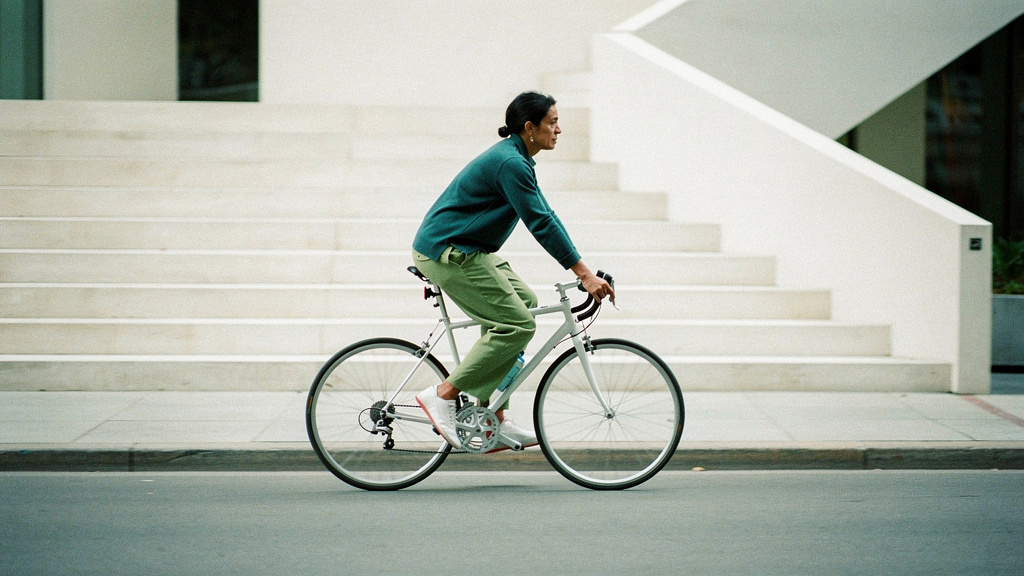


The first hour of the day is the one hour nobody is asking anything of you, and it is almost always the first one we give away. We reach for the phone before we reach for the light. We answer before we have woken. By the time we are upright, the day already belongs to other people.
A slow morning is the quiet refusal of that. It is not a productivity system and it is not a five-step optimization stack. It is the decision to spend the first window of the day on yourself, deliberately, in a way that sets the tone for everything that comes after. Done consistently, it is one of the highest-return things you can do for how you feel, and it costs nothing.
Start with light, not the screen
The single most useful thing you can do in the first half hour is to get real light into your eyes. Open the curtains. Step onto the balcony or into the garden. Take the first few minutes of the day outside if you can, or at the brightest window you have if you cannot.
Morning light is the signal your body uses to set its internal clock for the day. It is the cue that tells your system, in effect, that the day has begun and the night is over. Give it that signal early and consistently, and the rest of your rhythm tends to fall into place more easily: steadier daytime energy, an easier wind-down at night. The phone, by contrast, gives your nervous system a very different first message. Light first. Screen later.
Protecting the first hour is not indulgence. It is the cheapest, most repeatable intervention you have, and it sets the tone for the other twenty-three.
Move, gently
You do not need a workout to start the day well. You need to move enough to tell your body it is awake. A few minutes of easy movement, a short walk, some gentle mobility, a stretch by the window, is plenty. The goal is not to train. The goal is to transition, to move from horizontal and asleep to upright and present without a jolt.
If a walk is available to you, take it. Movement and morning light together are a better wake-up than anything in a cup, and they compound. The day feels different when it begins on your feet.
Leave a little room for nothing
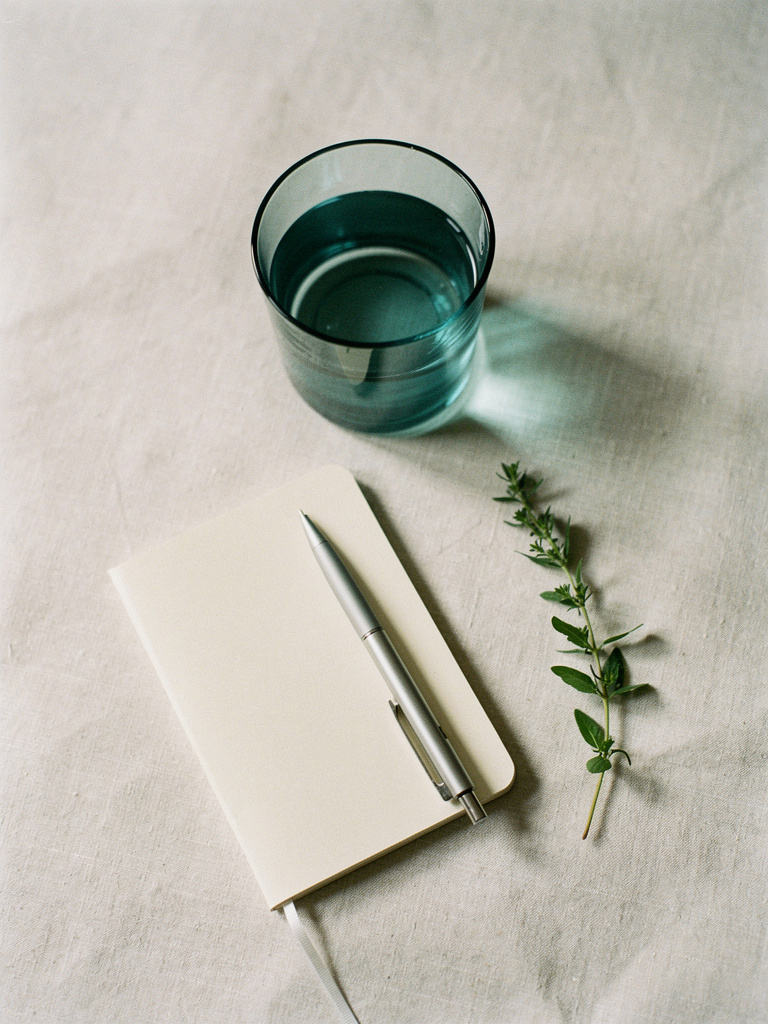
Somewhere in the slow morning, leave a few minutes unscheduled. Sit with the coffee or the tea and do not also read, scroll, or plan. Let there be a small pocket of the day that is not optimized for anything. A few slow breaths. A look out the window. A page in a notebook if you like to write.
This is the part people skip, and it is the part that does the most quiet work. A few minutes of stillness before the noise sets a calmer baseline for the whole day. You are teaching your nervous system that the day can begin from a place of ease rather than urgency.
Make it small enough to keep
The most common mistake is to design a beautiful morning you will abandon by Thursday. A ritual only works if it survives a bad night and a busy week. So keep it small. Light, a little movement, a few quiet minutes. Fifteen minutes is a real ritual. An elaborate hour you do twice is not.
Protect the window. Spend it on yourself. The inbox will still be there, exactly as full, and you will meet it as a person who has already had a good morning rather than someone catching up from the moment their feet hit the floor. That difference, repeated daily, is not small at all.