

There is a feeling we tend to trust when we exercise: that effort is the thing that counts. We push, finish a little breathless and a little proud, and the breathlessness reads as proof that something worked. Harder feels like better, a reasonable assumption that steers most of the training people do.
Look closely at how the best endurance athletes actually train, though, and a different picture appears. They spend most of their hours going easy, almost frustratingly easy. The hard work is there, but it is a small, deliberate slice; the rest is a long, calm base at a pace that barely feels like training.
That gap is the subject here. Not a single magic intensity, but a distribution: mostly easy, a little hard, and very little in the comfortable middle. The genuinely easy end is the part almost everyone skips, or runs too hard to count. It is unglamorous, slow to repay, and probably the most undervalued training there is.
The comfortable middle where most training drifts
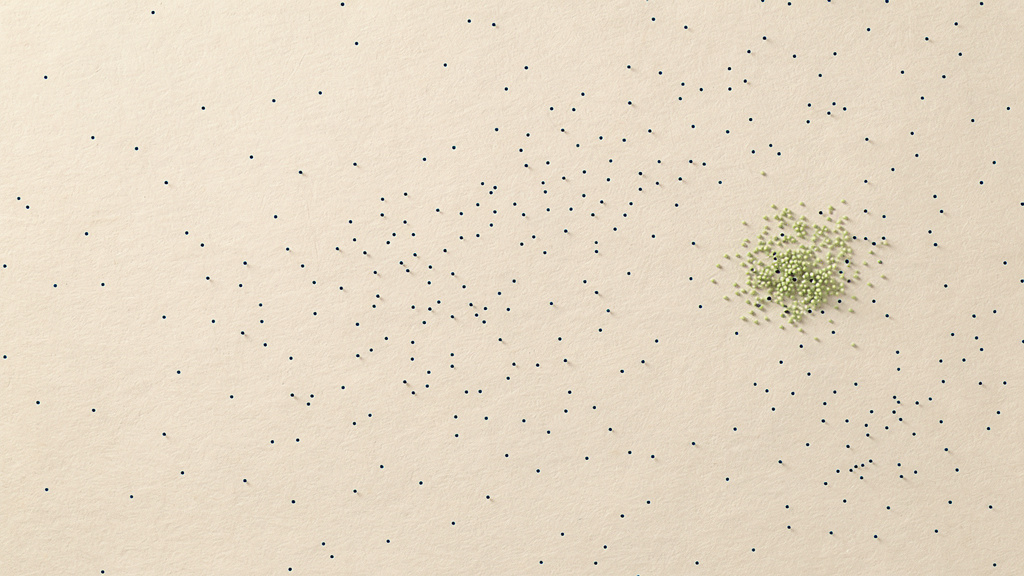
Watch a typical recreational runner or rider over a week and a habit emerges. Most of the work lands in the middle, moderately hard, breathing quickened, conversation possible only in fragments. It is the pace that feels like exercise: it hurts a little and leaves you tired, and that tiredness is easy to read as the body changing.
Coaches have a name for this region. They call it the gray zone, the broad band above easy and below truly hard. The typical recreational athlete spends close to half their training there, far more than the best do, caught in the moderate-intensity rut.
The trouble is subtle. It is not that the work is wasted; it is that the effort costs more than it returns. Moderate intensity gathers fatigue faster than it drives adaptation, so it leaves you tired without leaving you much fitter. It feels productive because it is uncomfortable, and discomfort is the only signal most of us were taught to trust.
The line beneath the easy work
To understand what easy means, it helps to know a line the body draws for itself. As effort rises, lactate in the blood eventually climbs above its resting baseline. Physiologists call that point the first lactate threshold, or LT1, near 2 mmol/L, though it varies between people. The physiologist Inigo San-Millan, who helped bring zone 2 into the longevity conversation, defines it as the highest intensity you can hold without a net build-up of lactate.
Below that line the body burns mostly fat, which it carries in near-unlimited supply, and can continue for hours. This is true easy training, often called zone 2. Above LT1 it leans on carbohydrate and fatigue gathers faster. A second line, LT2, sits near 4 mmol/L and marks the edge of comfortably hard.
Here is the catch that trips up almost everyone. Zone 2 is defined by what happens inside you, not by a number on a watch. Heart rate maps to it only loosely, around sixty to seventy percent of maximum for many, but LT1 varies so widely that the same heart rate can be easy for one person and too hard for another. The best guide is the oldest, the talk test: in zone 2 you can speak in full sentences. Breathe as if at rest and you are going too easy; grab breaths between words and you have drifted into the gray.
Zone 2 is low-intensity aerobic training held at or just below the first lactate threshold, the point where blood lactate first rises above its resting level. It is the highest effort you can sustain while burning mostly fat and still speaking in full sentences, the ceiling of genuinely easy work.
What the gentle pace is quietly building
If easy training asks so little in the moment, what is it doing? The answer is at the smallest scale, inside the muscle cells: slow and structural.
Easy aerobic effort mostly recruits the slow-twitch Type I fibers, the patient, fatigue-resistant ones built for endurance. Asked to work gently for a long time, they build more mitochondria, the tiny structures that turn fuel and oxygen into energy, and make the existing ones larger and better at the job. The cell has a master switch for this, sometimes written PGC-1alpha, that sustained easy work helps flip on.
Around those fibers the body lays down more capillaries to deliver oxygen, and grows better at burning fat and clearing lactate. A denser mitochondrial network raises the ceiling on everything above it: the fitter your base, the less lactate you make at any effort, and the harder you can go before the gray zone begins. The easy work is what makes the hard work possible.
The shape the best quietly share
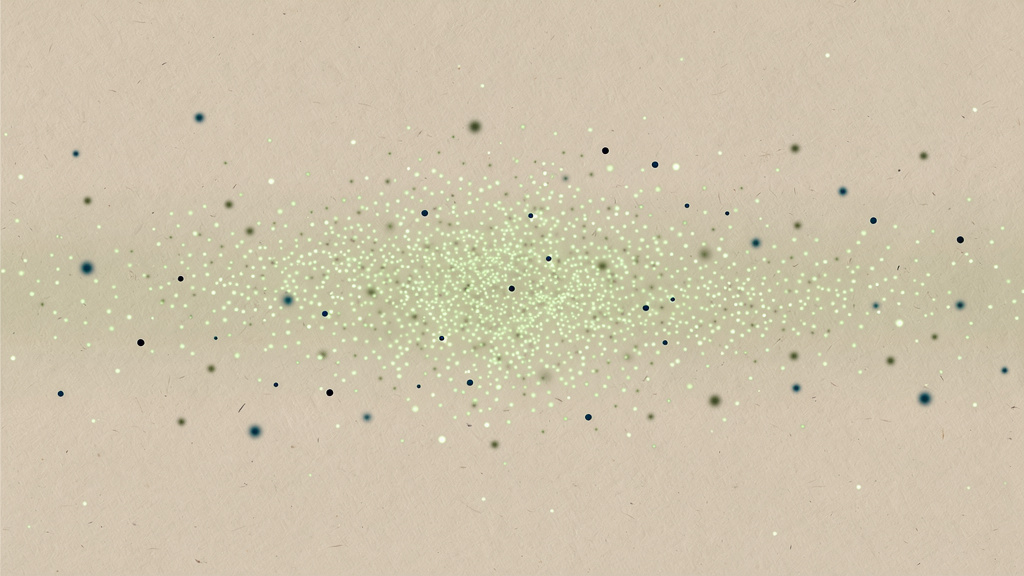
When researchers measured how elite endurance athletes actually spend their training time, the finding was striking. Across cycling, rowing, running, and cross-country skiing, in different countries and under coaches who were not comparing notes, the same shape appeared. Roughly four parts of every five were spent at low, easy intensity, and only about one part was genuinely hard. Very little landed in the middle.
The physiologist Stephen Seiler, who documented the pattern in a 2006 study, named it polarized training and put the rough proportion at 80/20. This is not a philosophy someone invented but a description of what the best already do, arrived at independently by athletes who kept what worked. Seiler calls it a population optimum.
Later work tested it directly. In a 2014 trial, forty-eight well-trained athletes followed different patterns for about nine weeks, and the polarized group, weighted toward easy work, made the largest gains in endurance and capacity. The pattern points at the most common amateur mistake: not training too little, but running the easy days too hard, while leaving the hard days not quite hard enough. The hardest discipline in endurance is going slow on purpose.

What the evidence can and cannot claim
It would be easy to crown easy training the secret. Honesty requires a complication. In 2025, a review in the journal Sports Medicine pushed back on the popular story, arguing that the evidence for zone 2 as the single best intensity for building mitochondria and burning fat is weaker than the enthusiasm suggests. Higher-intensity work, the authors noted, drives many of the same adaptations, and sometimes faster.
This sharpens what zone 2 is for. The case for easy training was never that one magic intensity does what no other can. It is quieter and sturdier: easy work delivers real aerobic adaptation at a very low cost, with little fatigue and little risk, so you can do a great deal of it.
That is the whole point of the distribution. You cannot fill a week with hard efforts without breaking down, but you can fill it with easy ones. The easy base makes the hard work survivable, and the hard work sharpens the top. Harder is not better, and easier is not better. The shape is what matters.
The easy end that carries the decades
Step back from the stopwatch and the same base matters for more than racing. Higher cardiorespiratory fitness is among the most consistent companions of a longer life in the research, linked with lower all-cause mortality across large populations, independent of body weight. We have written before about VO2 max, the number that tends to predict how long people live; easy aerobic training is the quiet base beneath it.
Time pulls the other way. Mitochondrial density and function decline with age and with sitting still, part of why endurance fades across the decades. Aerobic training pushes back, and it is never too late to begin: older adults and lifelong athletes alike show the base can be rebuilt. These are population patterns, not promises, and easy training is not a treatment for any disease.
As for how much, the honest answer is general, not personal. Coaches and longevity physicians commonly suggest that most of your aerobic time be genuinely easy, with meaningful change taking months of consistency rather than weeks. And before starting or changing any exercise program, especially with a heart, metabolic, or lung condition, the sound first step is a conversation with your physician.
At the practice, this is the patient view we take: read the body's signals as a trend rather than a single session, and build the aerobic base slowly, alongside a physician who knows your numbers. The pull toward effort is human. But the part almost everyone skips, the long easy mile that asks for patience instead of grit, is the part that quietly carries the decades.
Common questions
What is zone 2 training?
Zone 2 training is low-intensity aerobic exercise held at or just below your first lactate threshold, the effort where blood lactate begins to rise above its resting level. At that pace the body burns mostly fat, the effort feels easy, and you can keep it up for a long time. It builds the aerobic base that supports harder work, and it is defined by your internal physiology rather than by any fixed heart rate.
How do I know if I am in zone 2?
The simplest test is conversation. In zone 2 you can speak in full, comfortable sentences without pausing for breath. If your breathing feels no different from rest, you are likely going too easy; if you can manage only a few words at a time, you have drifted into a harder zone. A heart rate monitor or a wearable can help, often somewhere around sixty to seventy percent of maximum heart rate, but that figure varies widely between people, so the talk test is the more reliable everyday guide.
How much zone 2 should I do each week?
There is no single prescription, and the right amount depends on the person. As general guidance, endurance coaches and longevity physicians commonly suggest that most of your weekly aerobic time be genuinely easy, often in sessions of roughly forty-five to ninety minutes, with noticeable gains in aerobic efficiency usually taking about three to four months of consistency. Zone 2 rewards volume, so it tends to pay off when there is enough of it. Anyone starting or changing an exercise routine should check with a physician first.
Does zone 2 build mitochondria?
Easy aerobic training does stimulate the muscle cells to build more mitochondria and to improve the ones they already have, alongside greater capillary density and better fat burning. A denser, healthier mitochondrial network is part of why a strong aerobic base makes harder efforts feel easier. That said, recent reviews note that higher-intensity exercise drives many of the same adaptations too, so zone 2 is best understood as a low-cost way to accumulate a lot of this work, not as the only intensity that builds mitochondria.
Is zone 2 better than HIIT?
Neither is simply better; they do different jobs, and the strongest endurance training tends to combine them. The pattern seen in elite athletes is roughly four parts easy work to one part hard, sometimes called 80/20 or polarized training. Easy zone 2 builds a broad aerobic base at low fatigue cost, while short bouts of harder, high-intensity work sharpen the top end and deliver a strong signal in less time. If training time is very limited, some higher-intensity work becomes more important, but for most people the easy base is the larger share.