
Open almost any feed lately and cortisol is the word that will not leave you alone. Lower it, the captions say. Detox it, calm it. Somewhere along the way a quiet hormone got recast as a saboteur, the thing standing between you and a flatter stomach, a calmer face, a better night.
It is a strange fate for something you could not live without. Cortisol is not an intruder. It is part of how you wake, how you hold blood sugar steady between meals, how you rise to a hard moment and come back down. It was never meant to sit at one level, and never meant to be zero. It is meant to move: up in the hours before waking, a peak soon after, a long drift to its lowest point at night.
The number you were taught to fear is rarely the problem. The shape of its day is the part worth understanding.
Not the villain it was cast as
Cortisol is a glucocorticoid hormone, made by the adrenal cortex, the outer layer of the glands above your kidneys. Its release runs along a chain physiologists call the HPA axis. The hypothalamus sends a signal, the pituitary relays it, the adrenals answer by releasing cortisol, and the rising hormone then quiets the original signal, a feedback loop that keeps the system in check.
That chain does not fire at random. It is timed by the body's master clock, a small cluster of cells in the hypothalamus that keeps you on a roughly twenty-four hour schedule.
And cortisol earns its keep. It helps turn food into usable energy and steadies blood sugar between meals. It supports blood pressure, helps regulate the immune system, sharpens alertness, and organizes the response to a sudden demand. A short rise under stress is not a malfunction. It mobilizes fuel and focus, then settles. The trouble is rarely cortisol itself. It is a rhythm that has lost its shape and stopped coming back down.
Cortisol is a glucocorticoid hormone made by the adrenal glands and timed by the body's internal clock. It is essential rather than harmful, supporting energy, blood sugar, blood pressure, immune balance, and the stress response, and what matters most is not its level at a single moment but the daily rhythm it follows.
The shape of an ordinary day
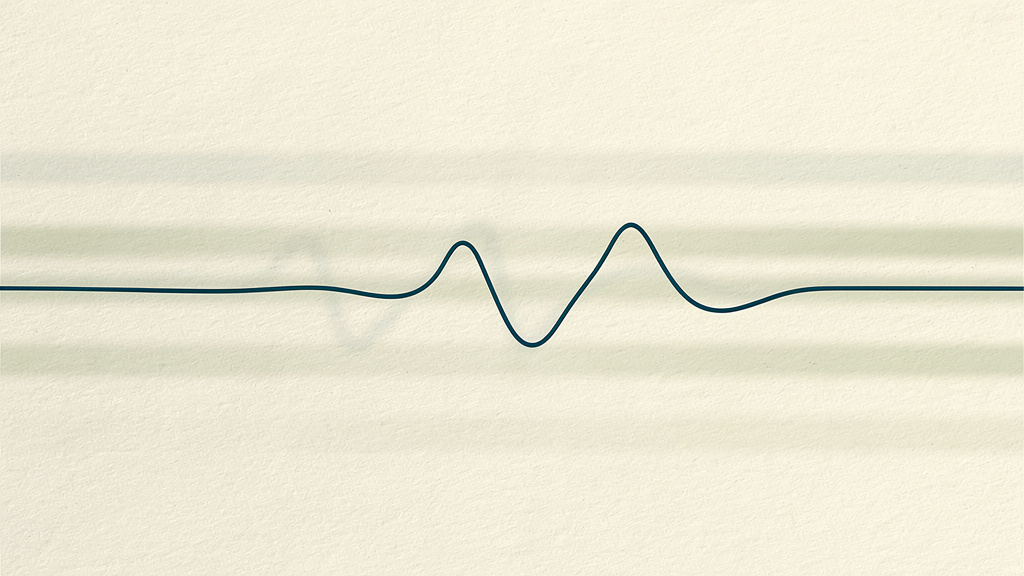
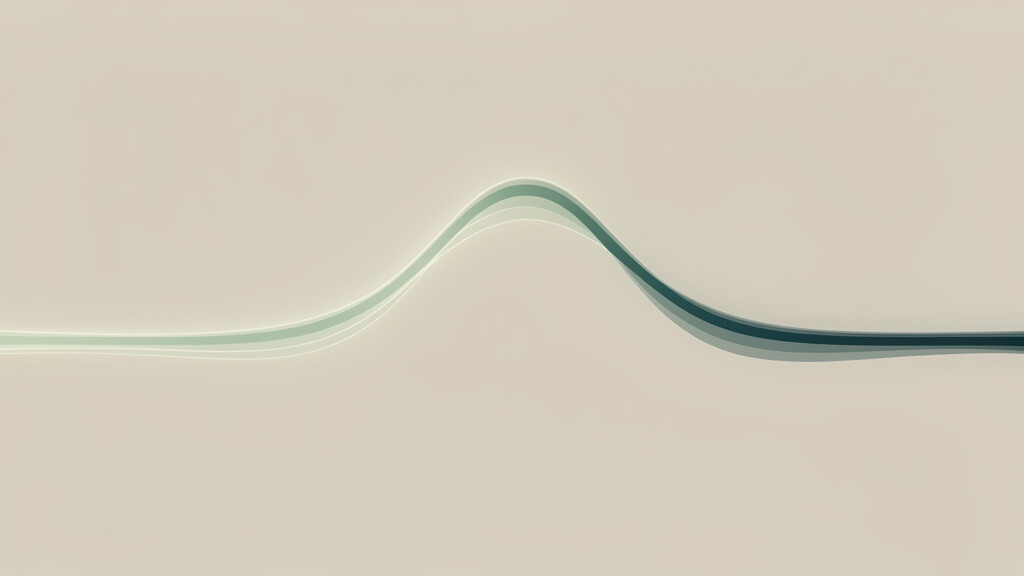
Picture cortisol across a single day and you get a curve, not a flat line. It starts to climb in the last stretch of sleep, while you are still under. It peaks not at midday but in the first half hour or so after you open your eyes. From there it falls to its lowest ebb in the late evening and the first hours of sleep.
That early surge has a name. The cortisol awakening response is a brisk climb that lands roughly thirty to forty-five minutes after waking, a rise of somewhere between thirty-eight and seventy-five percent above the level you woke at, closer to fifty percent on average. Most healthy adults show it, by most counts between seventy-three and seventy-seven percent.
What makes it telling is how tied it is to waking itself. The response is larger when you wake into light than into darkness, and it does not appear after an evening nap. It is the morning, written into your chemistry.

Why the shape matters more than the height
Here is where the popular story goes wrong. Chronic stress, the kind that lingers for months, does not usually show up as cortisol held high all day. More often it shows up as a curve that has lost its range: a morning peak that never quite rises, an evening that never quite falls. The line flattens, and the gap between high and low narrows.
That flattening is the part researchers watch. A 2017 analysis led by Adam and colleagues pooled studies of the daily cortisol slope and found a flatter slope was associated with a range of poorer outcomes, physical and psychological. Disrupted schedules show it too: shift work, and the circadian misalignment it brings, tend to blunt the morning peak and soften the daily decline, alongside metabolic and cardiovascular strain.
These are associations, not verdicts. A flatter slope is a marker that something may be off, not a diagnosis on its own. But it makes the point plainly. Two people can carry similar amounts of cortisol across a day and live in very different rhythms. A reading that sits comfortably inside the normal range can still belong to a curve that has gone quietly flat. The amount is not the story. The shape is.
One reading, one moment
All of which complicates the most common way people meet their cortisol: a single blood draw, usually in the morning. It is a real measurement, right for some questions. But it captures one point on a line that is moving the whole time. A morning value can land squarely in the normal range while the rest of the curve, the part no one sampled, tells another story.
To see the rhythm rather than a moment, you have to catch it more than once. Reading the daily shape usually means several samples across the day, often from saliva at home: shortly after waking, again about thirty minutes later, then in the afternoon and evening as the line should be falling. Other tools answer other questions: a twenty-four hour urine collection sums the cortisol you clear across a day, and a hair sample reaches back over weeks for a longer average.
One number is a snapshot. The rhythm is the data.
The label that hides more than it explains
No conversation about cortisol gets far before the phrase adrenal fatigue appears: the idea that ongoing stress wears the adrenal glands down until they can no longer keep up, leaving you drained. It is an intuitive story, and one mainstream endocrinology does not support. The Endocrine Society states plainly that adrenal fatigue is not a recognized medical condition. A 2016 systematic review by Cadegiani and Kater examined fifty-eight studies, found no substantiation, and concluded it remains a myth. There is no validated laboratory test that diagnoses it.
The real worry is the one the Endocrine Society raises directly: the label can sit on top of a genuine, treatable cause and keep someone from finding it. Fatigue has many honest explanations, and a name that does not exist can delay the answer that does.
What is real are conditions a physician can test for. Adrenal insufficiency, including Addison's disease, is a true shortage of cortisol. Cushing's syndrome is a true excess of it. These are diagnosed and managed by doctors, not by self-assessment from a chart online, which is why persistent symptoms deserve a real conversation. And trying to dose or support the adrenal system on your own carries real risk.
What a steady rhythm asks of you
If the rhythm is the point, most of what supports it is unglamorous and familiar. Cortisol takes its cues from the same clock that governs sleep, so what steadies one steadies the other. None of this is a treatment, just ordinary care that happens to favor a healthy curve.
Light early helps. Getting into bright light within about an hour of waking gives the morning rise something to anchor to. Consistency helps most: sleeping and waking at similar times teaches the system when to climb and when to fall. Eat earlier rather than late, and move in the morning or midday rather than near bedtime, not against the curve.
The evening asks for the opposite. Dimming lights and screens, easing off intense late workouts, and keeping late caffeine in check let the natural decline happen. The morning is for the rise. The night is for the fall.
And when something feels genuinely off, when fatigue or other symptoms persist, that is a reason to talk with your physician, not to chase a number on your own. It is how we read a signal like cortisol at the practice: as a rhythm and a trend over time, with a physician to interpret it, never as one anxious reading on a single morning. The hype asks you to fear a hormone and force it down. The body asks for something quieter and harder to sell: a strong morning, a calm night, and the same shape, day after day.
Common questions
Is high cortisol always bad?
No. Cortisol is essential, and it is meant to be high at certain times, especially in the morning shortly after you wake. A brief rise during a stressful moment is also normal and adaptive. What tends to signal a problem is not a single high reading but a daily rhythm that has lost its shape, with a blunted morning peak and a decline that never quite reaches a low point at night.
What is a normal cortisol rhythm?
In healthy adults, cortisol follows a daily curve. It begins rising in the last hours of sleep, peaks roughly thirty to forty-five minutes after waking, then declines through the day to its lowest point in the late evening and early sleep. The sharp morning rise, called the cortisol awakening response, is seen in most healthy adults and is larger when you wake into light than into darkness.
Is adrenal fatigue a real condition?
No major endocrinology body recognizes adrenal fatigue as a medical condition. The Endocrine Society states it is not real, and a 2016 systematic review of fifty-eight studies found no substantiation for it. There is no validated test to diagnose it. Genuine disorders of cortisol do exist, including adrenal insufficiency, such as Addison's disease, and Cushing's syndrome, and a physician can test for these when symptoms warrant.
Why can a single cortisol blood test be misleading?
A single blood draw measures cortisol at one moment, but cortisol changes throughout the day. A morning result can fall within the normal range even when the overall daily curve is flattened. Seeing the rhythm usually requires several samples taken across the day, often from saliva, while urine and hair tests capture different and longer windows.
How can I support a healthy cortisol rhythm?
General lifestyle habits that work with the body's clock tend to support a healthy curve. These include getting bright light within about an hour of waking, keeping consistent sleep and wake times, eating earlier rather than late, moving in the morning or midday, and easing off bright screens, intense late workouts, and late caffeine in the evening. These are general wellness practices, not a treatment, and persistent symptoms are worth discussing with a physician.