
Most people can time it to the minute. Focus holds through the morning, and then somewhere around one or two in the afternoon the room goes soft at the edges, the same paragraph needs three reads, and reaching for more coffee feels less like a choice than an obligation. The nearly universal explanation is the meal that just happened: something in the sandwich or the pasta pulled blood away from the brain and into the stomach. That explanation is old, tidy, and mostly wrong. The research on the so-called post-lunch dip points instead to a rhythm built into the brain that would arrive at roughly the same hour whether lunch happened or not, and that distinction changes which fixes are worth trying.
A gearbox, not a switch
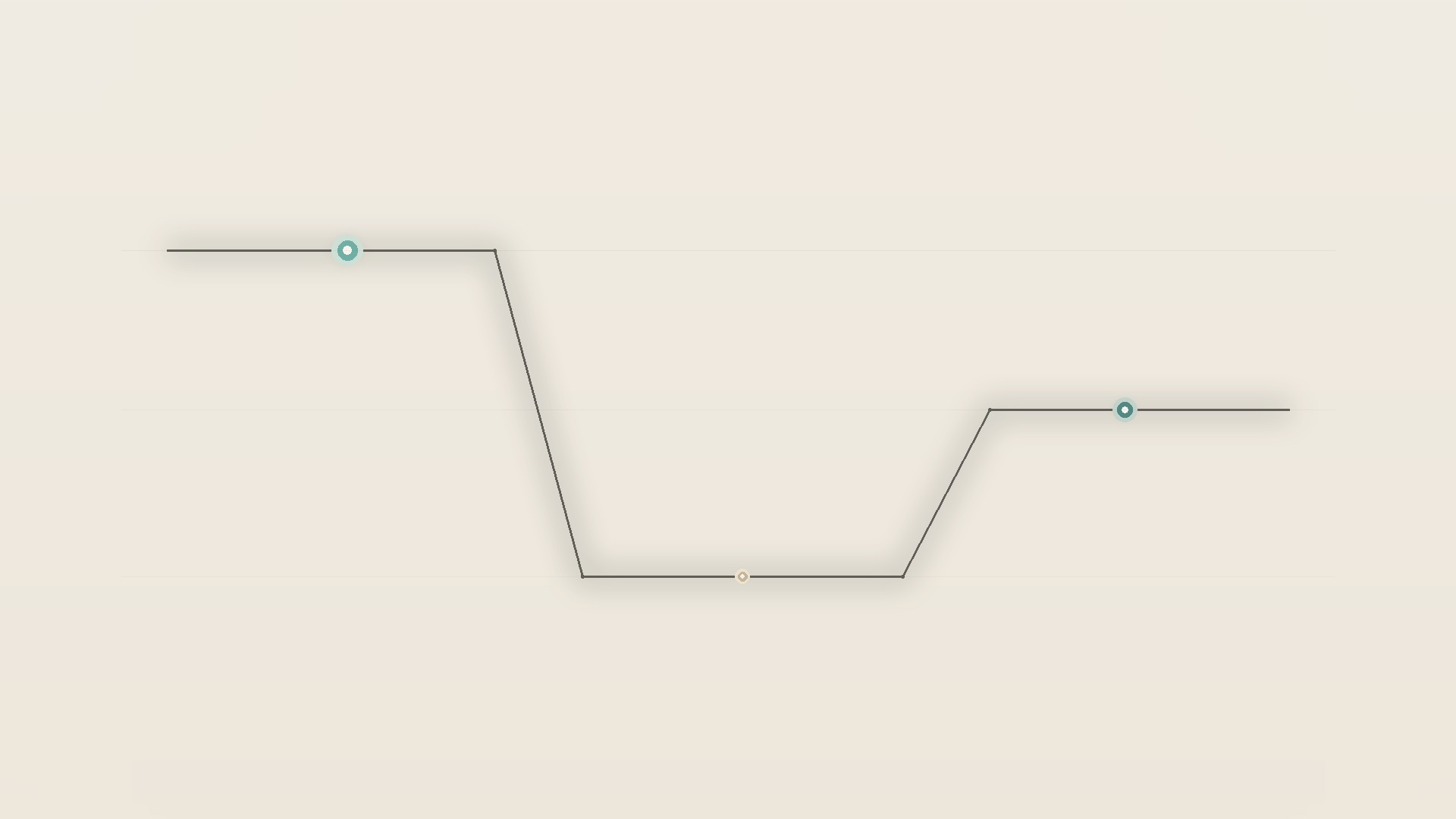
Alertness runs through a small cluster of brainstem neurons called the locus coeruleus, nicknamed the "blue dot" for the pigment created when it produces noradrenaline. When active, it delivers noradrenaline to the rest of the brain, making neurons more likely to fire on a signal, which is what rising arousal feels like from the inside. Neuroscience researcher Dr. Mithu Storoni describes it as a gearbox rather than a switch: a low first gear for sleepy mind-wandering, a medium second gear for deep focus, a high third gear reached only under real pressure. Around lunchtime, the gearbox drops back into first, a pattern some researchers tie to a roughly twelve-hour "circasemidian" rhythm layered on top of the better-known 24-hour circadian clock. The dip typically eases within a couple of hours, though its exact timing shifts with chronotype: a night owl's dip drifts later, a die-hard morning lark's can arrive before noon.
Two explanations that do not hold up
The idea that digestion diverts blood from the brain to the gut is one of the most repeated explanations for afternoon fog, and it is not supported by the evidence. Blood flow inside the skull stays remarkably constant regardless of activity, for the practical reason that the brain cannot afford an inconsistent oxygen supply. A 2004 paper in Medical Hypotheses argued the opposite mechanism: neurohormonal and vagal nerve signaling, not blood redistribution, is the more plausible route by which a meal could influence the brain's sleep centers.
The second common target is carbohydrates, on the theory that a carb-heavy meal raises blood tryptophan, which the brain converts into sleep-promoting serotonin and melatonin. The idea traces back to a 1970s study, and that study was done in rats. When researcher Dr. William Orr tested it directly in people, giving participants high- or low-carbohydrate meals and timing how quickly they dropped off for an afternoon nap afterward, his team found no significant difference between the two groups. A meal can still leave you duller, but the composition of the plate is a weaker suspect than the story suggests.
A dip that shows up even without lunch
The real signature of the phenomenon is that it does not require a meal to appear. The dip has been documented in people who skip lunch entirely and in people with no idea what time it is, which points to biology rather than digestion as the primary driver. Researchers studying performance across the workday link the pattern to a genuine rise in sleep propensity in the early-to-mid afternoon, distinct from whatever a meal adds on top of it. Eating can still deepen the trough, and a very heavy, high-calorie lunch does appear to make the dip feel worse, but the timing of the low point itself is set by the clock, not the fork. The meal is an amplifier sitting on top of a rhythm, not the cause of the rhythm.
What actually helps
Because the dip is scheduled rather than caused, the more effective moves work with the rhythm instead of trying to out-eat or out-caffeinate it.
A short walk instead of a nap, when a nap is not possible. Fernandez-Montero, at the University of Navarra, notes that a thirty-minute walk can produce cognitive benefits comparable to a short nap, since light activity engages the brain and lifts mood and attention without disrupting circadian timing the way a long, poorly placed nap can.
Keep a nap short if you take one. Naps under roughly twenty to thirty minutes track with better alertness and no added metabolic risk, while naps stretching past thirty to forty minutes have been associated with worse markers of metabolic syndrome and, in a multi-country analysis of nearly 289,000 people, a higher likelihood of developing diabetes. A short doze appears to be a different physiological event, not just a smaller version of a long one.
Move the low-stakes work into the dip window. Storoni's practical advice is to schedule the least demanding, most routine tasks for early afternoon and save anything needing real judgment for a window when the gearbox is back in second gear.
Protect the light and sleep that set the rhythm in the first place. Morning and midday light exposure is among the strongest external cues the circadian system uses to hold its schedule, and researchers describe consistent, adequate nighttime sleep as the real cornerstone of daytime alertness. No afternoon tactic compensates for a system running short on sleep the night before.
When it is more than a slump
A daily dip in the early-to-mid afternoon is ordinary and shared by most adults. Persistent, severe daytime sleepiness is a different signal. Underlying conditions such as sleep apnea, anemia, thyroid disorders, and the blood sugar swings that come with insulin resistance or diabetes can all produce fatigue that looks similar on the surface but does not resolve with a walk or a shorter lunch. If the crash is extreme, daily, or paired with symptoms like excessive thirst, frequent urination, or unrefreshing sleep at night, that pattern is worth raising with a physician rather than managing around indefinitely.
Common questions
Does eating a big lunch actually cause the afternoon slump?
Not on its own. The dip in alertness has been documented even in people who skip lunch entirely, which points to a built-in brain rhythm as the primary driver. A large, heavy meal can still make the dip feel deeper, most likely through mechanisms like vagus nerve signaling or digestive hormones rather than through the meal's macronutrient mix.
Is it true that blood rushes to your stomach and away from your brain after eating?
No. Blood flow to the brain holds essentially constant regardless of what the rest of the body is doing, since an inconsistent oxygen supply to the brain is not something the body tolerates. A 2004 paper proposed that hormonal and nerve signaling, not blood redistribution, better explains any real drowsiness a meal adds.
Why do carbs get blamed if the mechanism is not well supported?
The theory dates to a 1970s study showing carbohydrates raise blood tryptophan, a precursor to sleep-promoting serotonin and melatonin, but that study was conducted in rats. A controlled human study comparing high- and low-carbohydrate lunches found no significant difference in how quickly people fell asleep afterward.
What is the best length for an afternoon nap, if I can take one?
The evidence consistently favors shorter naps, roughly ten to twenty minutes, for alertness without added risk. Naps that regularly run past thirty to forty minutes have been linked to worse metabolic markers and higher long-term diabetes risk in large population studies, alongside grogginess on waking known as sleep inertia.
Does the time of the dip ever change?
Yes. The dip tracks with chronotype, so a night owl who wakes late may not feel it until later in the afternoon, while an extreme early riser can feel it well before noon.
When should a daily afternoon crash be checked out rather than managed around?
When it is severe, happens every day despite reasonable sleep and light meals, or comes with other symptoms such as excessive thirst, frequent urination, or the kind of fatigue that does not track with how well you slept the night before. Those patterns can point to sleep apnea, anemia, thyroid dysfunction, or blood sugar regulation problems, and are worth a conversation with a physician.